India Pharma Outlook Team | Tuesday, 21 July 2026
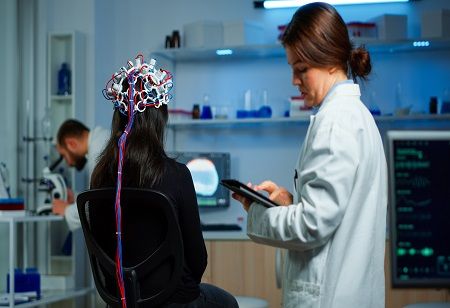
A Rare Brain Disorder linked to Measles is now under the spotlight as a Hyderabad-based institute launches a new Research Study.
The project aims to understand why only a few children develop SSPE years after recovering from measles.
Doctors believe the findings could support future research and improve early diagnosis of this fatal condition. The study may also help build evidence for a larger national-level project.
The study is being conducted by the Manikonda-based Resplice Autism Research Foundation and Institute. The research currently includes three children diagnosed with the disease. Experts hope the findings will provide better insight into the condition, which remains poorly understood.
Subacute Sclerosing Panencephalitis (SSPE) is a rare and fatal neurological disorder that appears years after a child recovers from measles. According to the WHO, the disease affects around four to 11 people for every one lakh measles cases worldwide. There is currently no cure.
Speaking about the project, Dr. Chandrashekhar Thodupunuri said the team wants to understand the science behind the disease first. He said the institute will later seek ICMR approval for a larger study across India.
The research currently involves three children. One child reached the institute during the early stage of the disease. Two children from Maharashtra arrived for evaluation at an advanced stage.
Researchers will study several factors to understand why some children become vulnerable after measles.
The study will examine:
The findings could help researchers understand how the disease develops and identify possible risk factors.
Also Read: The Strategic Role of Regional Corridors in Future-Ready MedTech
The institute will organize a free medical camp on August 9 to identify more children who may have the disease.
The camp will include:
Doctors will use the information collected during the camp to strengthen the ongoing research. Researchers believe studying more patients will provide better evidence for future national-level investigations.
Families affected by the disease continue to wait for better treatment options. Ramesh Pole from Hingoli, Maharashtra, said his son has been living with SSPE for years. His son is one of the children included in the study.
He said the disease has deeply affected his family. He added that they came to Hyderabad hoping researchers would better understand the condition and eventually find a solution. The institute has also been involved in other medical research. In 2025, Dr. Chandrashekhar and his team received ICMR approval for a clinical trial on fecal microbiota transplantation (FMT).
The treatment aims to restore healthy gut bacteria. Early results have shown promise in improving behavioral symptoms in children with autism.