
India Pharma Outlook Team | Wednesday, 24 June 2026
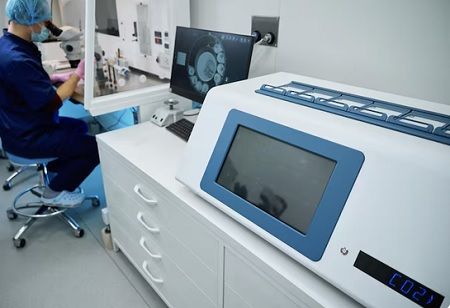
India may be preparing for a major shift in its healthcare access as the government looks to accelerate medical devices manufacturing India and reduce the country's dependence on imported equipment.
The move focuses on boosting local production of high-end medical devices, a segment that currently relies heavily on foreign manufacturers.
Officials believe this push could strengthen the country's healthcare ecosystem while supporting domestic industry growth.
The initiative comes at a time when India's medical device imports have reached nearly Rs 89,000 crore. To address this growing dependence, the government is considering measures to fast-track the manufacturing of advanced medical technologies within the country. The plan aligns with the broader Make in India strategy aimed at strengthening local manufacturing across key sectors.
The government is expected to prioritize products that account for a significant share of imports and are critical to healthcare delivery. These include:
These products are widely used in hospitals, diagnostic centers, and specialty healthcare facilities. However, a large portion of the demand is currently met through imports, making the sector vulnerable to supply chain disruptions and foreign dependency.
Industry experts believe local manufacturing of such advanced devices could help create a stronger and more resilient healthcare infrastructure over the long term.
Also Read: Top 10 Performing Indian Pharma Stocks This Quarter (2026)
The effort is part of the government's larger manufacturing roadmap, which identifies sectors with high import dependence and significant growth potential. The medical technology sector has emerged as one of the priority areas due to increasing healthcare demand and rapid technological advancements.
By encouraging domestic production, policymakers aim to:
The move could also help build a more competitive medical device industry India, enabling local companies to participate in global supply chains and export markets.
While setting up manufacturing for advanced medical devices requires significant investment and technical expertise, the long-term benefits could be substantial.
Potential outcomes include:
Experts note that developing sophisticated equipment such as MRI scanners and implantable cardiac devices will require strong research capabilities, regulatory compliance, and high-precision manufacturing systems.
Still, the government's latest push signals a clear intent to build a stronger foundation for India's healthcare and manufacturing sectors.
As India seeks to position itself as a global manufacturing hub, the focus on healthcare manufacturing and advanced medical technologies could mark an important step toward greater self-reliance. If successfully implemented, this policy shift may not only support industry growth but also improve access to critical healthcare technologies for millions of people across the country.
.jpg)


