India Pharma Outlook Team | Friday, 07 August 2026
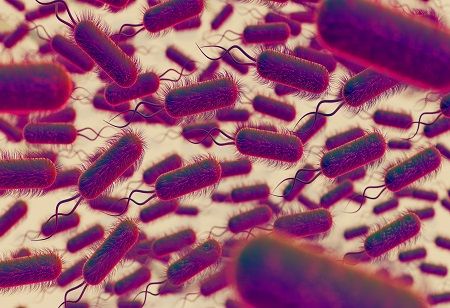
Global health concern intensifies as the latest Salmonella outbreak in the United States exposes the growing risks linked to foodborne infections.
Health authorities confirmed 345 cases across 27 states, with 36 hospitalizations tied to contaminated jalapeno peppers imported from Mexico.
This global health issue gains urgency as multiple outbreaks in 2026 involve eggs, fresh produce, and packaged foods across regions.
Salmonella already causes about 1.35 million infections annually in the United States, highlighting its scale and impact.
These repeated incidents are pushing regulators and policymakers to treat Salmonella as a serious global health challenge.
Health agencies identified 345 infections linked to the recent outbreak and traced the source to contaminated jalapeno peppers distributed across multiple states. This wide spread shows how quickly contamination can reach consumers through interconnected systems. The scale of infections strengthens the argument that Salmonella represents a growing global health concern.
Data shows that Salmonella causes nearly 1.35 million infections, 26,500 hospitalizations, and around 420 deaths each year in the United States alone. These figures highlight the magnitude of the global health burden associated with this pathogen. The recurrence of outbreaks across different food categories in 2026 signals that this threat continues to expand.
Also Read: Driving Vaccine Adoption Beyond Pediatric Immunization in India
Global supply chains now connect food production and consumption across continents, which increases the speed of contamination spread. The latest outbreak demonstrates how imported produce can move rapidly through distribution networks and expose large populations. This interconnected system directly contributes to the rising global health risk.
Food items travel through multiple stages, including farming, processing, packaging, and retail, which increases exposure points. Global health systems must respond to this complexity by strengthening monitoring and inspection processes. Without tighter controls, supply chains will continue to amplify Salmonella transmission.
Salmonella is a bacterial infection that spreads through contaminated food and water and directly contributes to rising global health concerns. People usually contract the infection by consuming raw or undercooked eggs, poultry, vegetables, or contaminated produce such as the jalapeno peppers linked to the recent outbreak.
Symptoms typically appear within 6 to 48 hours and include diarrhea, fever, abdominal cramps, nausea, and vomiting. Most cases remain mild, but severe infections can lead to dehydration, bloodstream infections, and hospitalization, especially among children, elderly individuals, and immunocompromised patients. The scale and recurrence of such infections continue to elevate its status as a global health risk.
Salmonella infections now extend beyond national boundaries due to trade and travel patterns. The current outbreak linked to imported jalapeno peppers highlights how easily contamination crosses borders. This trend reinforces the classification of Salmonella as a global health concern.
Countries must collaborate to manage outbreaks through shared data, harmonized safety standards, and coordinated response strategies. Global health frameworks need stronger international cooperation to contain risks effectively. Without unified action, Salmonella will continue to expand its impact and remain a persistent global health challenge.
.jpg)