
Fathimanoud, Correspondent, India Pharma Outlook
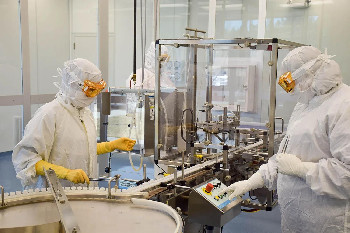
Sterile injectable manufacturing in India operates under the Revised Schedule M framework, which aligns domestic GMP standards more closely with WHO, US FDA, and EMA expectations.
For pharmaceutical companies selecting a sterile injectable CDMO, understanding these requirements is essential.
A CDMO’s ability to meet Schedule M cleanroom classifications, environmental controls, monitoring systems, and sterility assurance practices directly determines its suitability for aseptic products.
The following sections outline the key regulatory and operational elements that shape CDMO selection.
Schedule M sets out specific GMP requirements for sterile products and parenteral preparations. It mandates systematic risk assessments at every stage of production, including cleanroom operations, to identify potential hazards and implement control measures. Quality Risk Management (QRM) forms a central principle.
Key expectations under the revised framework include:
Different implementation timelines apply according to the scale of the manufacturing unit, with MSMEs receiving staggered deadlines. These provisions aim to raise sterility assurance and improve global market access for Indian manufacturers.
When evaluating a CDMO, buyers should confirm that the facility has completed the required gap analysis, maintains validated systems, and operates under a documented Contamination Control Strategy.
Schedule M distinguishes four grades of clean areas for sterile manufacturing. Each grade defines operational limits for airborne particles and determines the activities that may take place inside it.
Airlocks (personnel and material) separate these grades and prevent cross-contamination. Cascade, bubble or sink configurations may be used according to process needs. CDMOs must demonstrate that each grade is correctly classified, monitored, and maintained under both “at rest” and “in operation” conditions.
Also Read: Indian CDMO 2.0 Guide: Risk-Sharing and Hybrid Models
.jpg)





, CDSCO.jpg "Fostering a Quality Culture in the Pharmaceutical Industry")