
India Pharma Outlook Team | Thursday, 25 June 2026
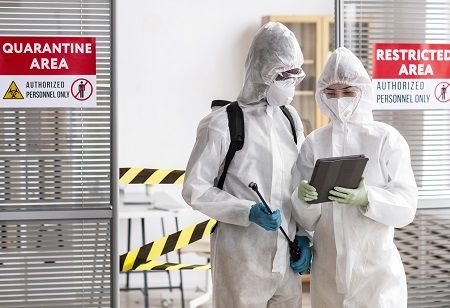
Ebola cases have crossed the 1,000 mark in Central Africa, prompting a fresh warning from the World Health Organization (WHO).
The growing Ebola outbreak in the Democratic Republic of Congo (DRC) and neighboring Uganda is spreading faster than health authorities can contain it, raising concerns among global health experts.
According to WHO Director-General Tedros Adhanom Ghebreyesus, the current Ebola outbreak is outpacing response efforts despite the deployment of emergency teams and international support. The warning comes as confirmed Ebola cases continue to rise, making it the largest first-month outbreak of its kind on record.
The current outbreak is linked to the Bundibugyo Ebola strain, a rare form of the virus that does not have an approved vaccine or specific treatment. Health officials believe the virus may have been circulating for months before it was detected, allowing it to spread widely before containment measures began.
WHO has declared the situation a public health emergency and is working with governments and international partners to strengthen surveillance, treatment, and contact tracing.
Key developments include:
Also Read: Bridging Pharma Gaps in India's Response to the Nipah Outbreak
Several factors are making the response more challenging. The outbreak is centered in a mining region where people frequently travel between communities and across borders. This mobility makes it harder for health workers to identify and monitor people who may have been exposed to the Ebola virus.
Violence and attacks on healthcare facilities have also disrupted response operations. In some areas, mistrust of authorities and resistance to public health measures have slowed efforts to isolate patients and trace contacts.
Health experts warn that these conditions are creating an environment where the disease outbreak can continue to expand despite ongoing interventions.
One of the biggest concerns surrounding the current Ebola outbreak is the lack of an approved vaccine for the Bundibugyo strain. While vaccines exist for some other Ebola strains, none have been licensed for this variant.
Organizations including WHO, UNICEF, and Gavi are working to speed up vaccine research and improve access if a candidate vaccine becomes available. However, experts say that surveillance, rapid diagnosis, isolation, and community engagement remain the most important tools for controlling the outbreak right now.
Although a few travel-related infections have been reported outside Africa, health authorities currently assess the risk of widespread international transmission as low. The Ebola virus spreads through direct contact with bodily fluids of infected individuals and is not transmitted through the air.
For now, global health officials are focused on slowing the spread, strengthening response measures, and preventing the outbreak from expanding further across the region. With Ebola cases continuing to rise, WHO has stressed the need for urgent action before the situation becomes even more difficult to control.
.jpg)


