India Pharma Outlook Team | Wednesday, 05 August 2026
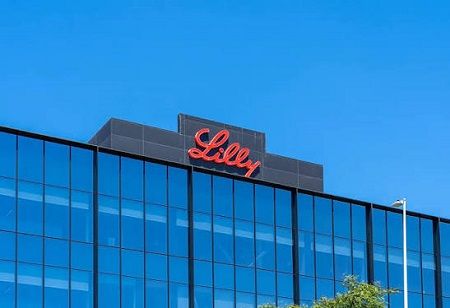
GLP-1 drug demand is reshaping global pharma economics, as Eli Lilly raised its 2026 sales in its obesity and diabetes portfolio.
The company reported a sharp surge in demand for blockbuster therapies such as Mounjaro and Zepbound, which together contribute a majority share of its earnings.
Rising global adoption, expanding indications, and increased patient access continue to drive this momentum.
At the same time, competition from Novo Nordisk and emerging players intensifies the GLP-1 race, pushing innovation, pricing strategies, and supply chain expansion across the pharmaceutical landscape.
Eli Lilly’s GLP-1 drug portfolio continues to dominate its financial performance in 2026. Strong demand for Mounjaro (diabetes) and Zepbound (obesity) pushed quarterly revenue close to USD 23 billion, significantly exceeding expectations.
Mounjaro alone generated nearly USD 9.9 billion, while Zepbound added USD 4.93 billion, reflecting rapid adoption across key global markets. The company increased its full-year revenue guidance to USD 85–USD 87 billion, supported by sustained prescription growth, expanded manufacturing capacity, and international market penetration.
Lilly also introduced its oral GLP-1 candidate, Foundayo, which strengthens long-term growth potential by improving accessibility. Despite pricing pressure in some regions, volume expansion continues to drive revenue gains, confirming the scalability of the GLP-1 drug segment.
Also Read: Scaling Perfusion Technology from Lab Success to Manufacturing Reality
Several pharmaceutical companies have actively expanded the GLP-1 drug market through innovation and strategic launches:
Recent developments show that semaglutide API prices dropped significantly due to increased production in India, reflecting supply expansion and competitive pressure. At the same time, regulatory approvals, including new GLP-1 injections in international markets, highlight the rapid global adoption of these therapies. Branded drugs such as Wegovy regained momentum after initial competition from generics slowed, reinforcing the strength of established players.
The GLP-1 medication has become the primary revenue engine for leading pharmaceutical companies. Eli Lilly now derives nearly 65 per cent of its revenue from GLP-1 therapies, demonstrating how a single therapeutic class can dominate financial performance.
The global obesity drug market, valued at USD 66 billion in 2025, continues to expand rapidly, with projections indicating significant long-term growth. Lilly’s 48 per cent revenue surge highlights how sustained demand for chronic disease therapies drives consistent cash flow and scalability.
Novo Nordisk also generates billions in revenue from its GLP-1 portfolio, confirming strong multi-player market potential. However, Lilly’s aggressive expansion strategy, robust pipeline, and manufacturing scale provide a competitive edge. As demand rises, companies that secure supply chains, innovate formulations, and expand indications will capture the largest share of this high-growth market.
.jpg)