
India Pharma Outlook Team | Wednesday, 08 July 2026
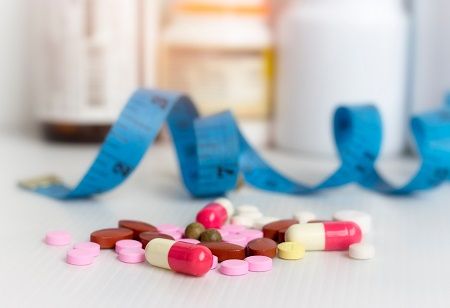
The weight loss pills race is entering a new phase as smaller biotech companies move closer to challenging Big Pharma in the fast-growing obesity drug market.
While injectable drugs have dominated obesity treatment in recent years, the focus is now shifting toward convenient oral medicines.
Several emerging drugmakers have reported encouraging clinical trials results, signaling that the competition in the pharmaceutical industry is becoming more intense. The weight loss pills market is expected to expand rapidly as more companies bring oral treatments closer to commercialization.
Industry experts believe oral medicines could reshape obesity treatment by offering patients a more convenient alternative to weekly injections. Although the market is projected to reach nearly USD 150 billion over the next decade, growing competition from new entrants is expected to increase choices for patients while putting pressure on prices.
Several smaller pharmaceutical companies have announced positive clinical data for their oral obesity drugs, narrowing the gap with established market leaders.
Kailera Therapeutics reported that its oral GLP-1 candidate, HRS-7535, helped patients lose up to 10.9 percent of their body weight after 44 weeks in a late-stage clinical trial conducted in China. The company has already started a global mid-stage study, with results expected in 2027.
Another company making progress is Structure Therapeutics. Its once-daily oral drug, aleniglipron, delivered weight loss of up to 16.3 percent, or about 39 pounds, after 44 weeks in a mid-stage study. The company also reported no signs of drug-induced liver injury, a concern that has affected some obesity drug programs. Structure Therapeutics plans to begin Phase III trials in the second half of 2026.
Also Read: Consumer Trust in OTC Products: The Science Behind Safety
Despite the progress made by smaller players, leading pharmaceutical companies remain active in developing oral obesity treatments.
AstraZeneca, through its partnership with Eccogene, reported that its oral candidate elecoglipron helped patients lose up to 11.8 percent of their body weight after 36 weeks in a mid-stage trial.
Merck is also advancing its obesity pipeline through its partnership with Hansoh Pharma and is preparing early-stage studies for its oral GLP-1 drug candidate.
Pfizer, which previously discontinued one oral obesity drug candidate, continues to strengthen its obesity portfolio through acquisitions and new partnerships as it looks to remain competitive in this rapidly evolving market.
Chinese drugmakers are also becoming increasingly important in the global obesity market. Companies including Innovent Biologics, Huadong Pharmaceutical, and Ascletis Pharma are advancing oral obesity drug candidates through various stages of development.
The growing number of companies developing oral GLP-1 medicines is expected to increase competition, improve patient access, and potentially reduce treatment costs over time.
As more late-stage clinical trial results become available, the race to launch effective oral obesity medicines is likely to intensify, creating one of the most closely watched battles in the pharmaceutical industry.
.jpg)

