India Pharma Outlook Team | Monday, 28 September 2026
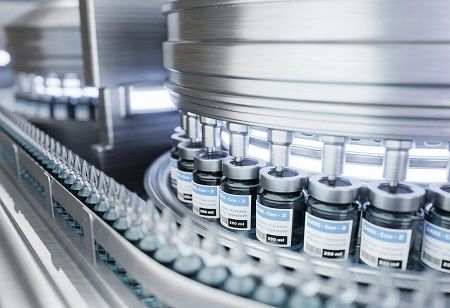
PABS vaccine access is emerging as a broader pharmaceutical manufacturing issue as India pushes for fair benefit sharing under the WHO Pandemic Agreement.
At a UN High-Level Meeting on September 25, Health Secretary Punya Salila Srivastava said countries contributing pathogens and biological resources should receive timely access to vaccines, diagnostics, therapeutics and technologies developed from them.
India’s position draws on its COVID-19 experience, when it supplied 300 million vaccine doses to around 100 countries.
The larger question, however, extends beyond access to finished products: whether future pandemic frameworks can strengthen technology transfer, manufacturing capabilities and resilient pharmaceutical supply chains in countries that contribute critical pathogen resources.
India’s experience during COVID-19 gives its position a manufacturing dimension. The country supplied 300 million vaccine doses to around 100 countries and provided medical assistance to more than 150 countries, according to the Ministry of Health and Family Welfare.
This means India’s role in future pandemic preparedness could extend beyond being a recipient of vaccines and therapeutics. Its established vaccine manufacturing capacity and pharmaceutical ecosystem could support wider regional supply, particularly when demand rises rapidly during a health emergency.
The PABS debate therefore intersects with questions about where products are manufactured, how quickly capacity can be expanded and whether developing countries can build sustainable local production.
Also Read: Why Global Pharma is Moving to India: The 2026 India CDMO Boom and Market Outlook
The distinction between vaccine access and manufacturing capability could become central to the PABS framework. India has specifically called for timely access to vaccines, therapeutics and diagnostics supported by technology transfer, capacity building and measures to strengthen local and regional manufacturing.
This shifts the discussion from receiving finished products to developing the ability to produce them. Technology transfer can involve manufacturing know-how, technical expertise, licensing and cooperation that enable domestic or regional producers to participate in production.
For pharmaceutical manufacturers, the eventual framework could therefore influence how technologies developed using shared pathogen materials reach production facilities in developing markets.
The PABS framework is still being negotiated. WHO discussions have covered contractual arrangements, laboratory networks, pathogen and sequence information, and the definition of benefits arising from pathogen sharing.
WHO has said finalizing the annex is a critical step before countries can move toward signing and ratifying the wider Pandemic Agreement.
For the pharmaceutical industry, this makes the final rules particularly significant. Earlier draft PABS text included possible obligations for participating manufacturers involving pandemic product access, monetary contributions, capacity building, research cooperation, licensing and technology transfer.
These provisions remain part of a negotiating process rather than established final obligations.
India’s latest position also points to a broader lesson from COVID-19: pandemic preparedness depends on resilient systems, not only inventories of finished vaccines.
Srivastava highlighted the need for stronger laboratory networks, emergency coordination, stockpiles and clinical capacity, while also calling for digital public infrastructure to support surveillance and supply chains.
For the pharma sector, resilience can therefore involve vaccine and biologics manufacturing, diagnostics, raw materials, fill-and-finish capacity, cold chains and regional supply networks.
The PABS debate connects these manufacturing requirements with the question of how benefits from pathogen sharing are distributed.
For India, the issue is consequently not only securing vaccine access, but strengthening the industrial capabilities that can make future pandemic response faster and less dependent on concentrated global supply.
.jpg)