India Pharma Outlook Team | Friday, 21 August 2026
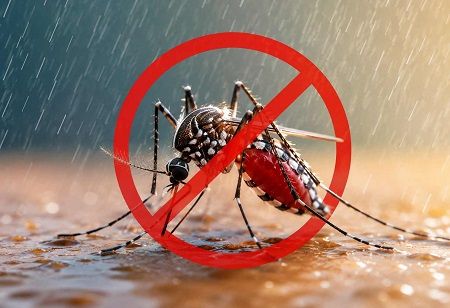
Mosquito-borne diseases have prompted Kerala to intensify prevention, surveillance and community action across the state.
Health Minister K Muraleedharan has urged residents to support measures against dengue, chikungunya and malaria.
The Health Department plans stronger fever screening, disease surveillance, fogging, spraying and mosquito-larvae control in vulnerable areas.
States such as Idukki and Malappuram will receive closer malaria surveillance after officials identified locally acquired malaria cases.
Kerala will also maintain testing, treatment and medicine availability for mosquito-borne diseases. The state’s response combines household-level prevention with healthcare monitoring.
These measures aim to reduce mosquito breeding, detect infections early and strengthen public health preparedness during the monsoon season.
Kerala has placed mosquito-borne diseases at the center of its monsoon health response. Health Minister K Muraleedharan has called for stronger public participation in mosquito control. The Health Department has also introduced weekly “Dry Day” activities. Schools focus on cleaning activities on Fridays. Government offices follow the exercise on Saturdays. Households take part on Sundays.
The campaign targets stagnant water around homes and public spaces. Flower pots, discarded containers, tyres and other water-holding objects can create mosquito breeding sites.
Also Read: Driving Vaccine Adoption Beyond Pediatric Immunization in India
The state will strengthen dengue and chikungunya testing and treatment. Health officials will also conduct fever surveys and disease screening in areas that report higher infection levels.
Kerala’s surveillance system recorded 2,856 confirmed dengue cases and 15 deaths cumulatively in 2026 as of June 9, according to the state’s communicable disease report. The same report recorded 30 confirmed chikungunya cases. These figures reinforce the need for early testing and continued disease surveillance as mosquito-borne diseases remain a concern during the monsoon.
Kerala will intensify malaria surveillance in Idukki and Malappuram after officials identified locally acquired malaria cases. The state will combine case monitoring with mosquito-control measures in affected areas.
The approach expands Kerala’s response beyond dengue and chikungunya. It also strengthens monitoring for other mosquito-borne diseases, including malaria and filariasis. Health authorities will continue surveillance through local health facilities. They will also track fever cases and support early diagnosis where officials identify higher disease activity.
The Health Department will intensify vector control through larval eradication, fogging, and spraying. Local teams will focus on areas with reported infections and mosquito breeding. The state will also maintain adequate medicine stocks at primary health centers. This step supports treatment readiness and strengthens public health preparedness during periods of higher disease transmission.
Kerala’s approach links mosquito control with early diagnosis and healthcare access. Public participation remains central to the strategy because households can remove breeding sites before the mosquito population increases.
Kerala’s latest measures show a coordinated response to mosquito-borne diseases. The state combines public participation, fever screening, disease surveillance and vector control. Stronger malaria monitoring in Idukki and Malappuram adds another layer to the strategy.
Continued dengue and chikungunya testing can support earlier diagnosis. Adequate medicine stocks can strengthen treatment readiness. The approach could help Kerala reduce transmission and improve dengue prevention, malaria control and broader public health preparedness during the monsoon.

.jpg)