India Pharma Outlook Team | Tuesday, 29 September 2026
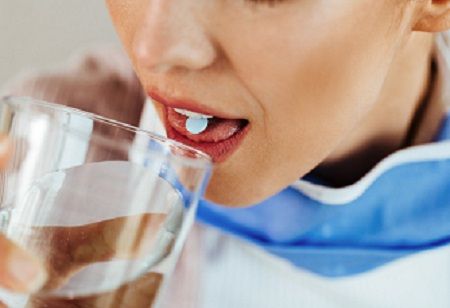
Apixaban oral suspension is gaining attention as Lupin has received tentative approval from the US Food and Drug Administration (FDA) for its 1.25 mg/mL formulation.
The development gives adult patients requiring anticoagulation an alternative to conventional tablets, including those who may have difficulty swallowing.
Lupin submitted the product through the 505(b)(2) pathway, positioning the development around a modified dosage form of an established anticoagulant.
The development also comes as regulators and pharmaceutical developers increasingly examine alternative formulations that can address administration challenges while maintaining appropriate drug exposure.
This article examines the formulation and regulatory significance behind Lupin’s latest apixaban development.
Lupin's product, Apixaban Oral Suspension 1.25 mg/mL, an oral liquid formulation containing apixaban, the active pharmaceutical ingredient in Bristol Myers Squibb's Eliquis.
The company received tentative FDA approval for its new drug application on September 28, 2026. Following final approval, the product is expected to be manufactured at Lupin's Somerset, New Jersey facility.
The pharmaceutical significance lies in the dosage form. Instead of requiring patients to administer apixaban as a conventional solid tablet, the suspension provides another route for oral administration.
This can be relevant for adults with swallowing difficulties, where selecting an appropriate formulation can become an important part of medicine use.
Also Read: 10 AI-Powered Manufacturing Technologies Improving Pharma Production
Swallowing difficulties can affect the administration of oral medicines, particularly among older adults and patients with conditions that interfere with swallowing.
Recent guidance from the UK's Specialist Pharmacy Service lists licensed apixaban oral suspension among formulations suitable for adults with swallowing difficulties. Its September 2026 update added apixaban suspension to the licensed preparations, alongside other anticoagulant formulations.
The development therefore reflects a broader pharmaceutical consideration: maintaining access to anticoagulants while providing dosage forms that can accommodate different patient needs. An oral suspension can also offer flexibility in dose measurement and administration where a solid dosage form may be difficult to use.
Lupin's apixaban suspension was submitted through the 505(b)(2) pathway, a regulatory route used for certain products that involve an already established active ingredient but require new information or changes to the product.
In this case, the pathway supports development of an alternative apixaban dosage form rather than requiring the pharmaceutical developer to establish an entirely new active molecule.
This makes 505(b)(2) relevant to the development of differentiated formulations, where pharmaceutical companies can work on established medicines while addressing specific formulation or administration requirements.
The formulation also comes against a more specific regulatory backdrop. In February 2026, the FDA issued draft product-specific guidance for apixaban for suspension, recommending two in-vivo bioequivalence studies with pharmacokinetic endpoints, covering fasting and fed conditions.
The guidance highlights the importance of demonstrating appropriate drug exposure when developing an apixaban suspension.
Existing pharmaceutical information also shows that apixaban can be administered through alternative methods under specified conditions. A UK-authorised 1 mg/mL apixaban oral suspension, for example, provides instructions for oral administration and use through a nasogastric tube.
Lupin's development thus adds to the broader movement toward alternative anticoagulant formulations, where dosage-form design, administration requirements and pharmacokinetic performance are increasingly important alongside the active pharmaceutical ingredient itself.
.jpg)