India Pharma Outlook Team | Wednesday, 07 October 2026
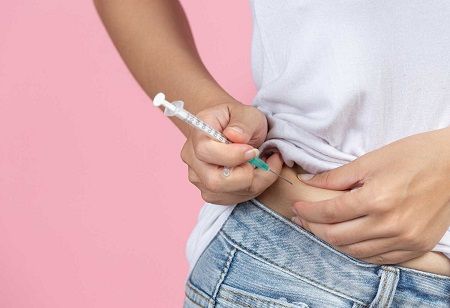
Pediatric GLP-1 drugs in India face a new evidence question after the World Health Organization (WHO) issued its first guidelines for managing obesity among children and adolescents.
The WHO has prioritized healthy diets, physical activity and counseling, while allowing pharmacological treatment to be considered for adolescents aged 10-19 when lifestyle interventions do not produce sufficient results.
It recommends against obesity medicines and bariatric surgery for children under 10 because of limited evidence on long-term safety and effectiveness.
For India, the development comes as childhood obesity is already being addressed through government nutrition and school-health programs, raising questions over how the country's emerging obesity-drug market should fit into a prevention-first pediatric care model.
Government data shows that childhood obesity is not a new concern for India's health system.
The Government of India's Comprehensive National Nutrition Survey found that 4 percent of children aged 5-9 years were overweight or obese, while the figure was 5 percent among adolescents aged 10-19 years.
The figures also highlight why India's response cannot rely only on medicines.
Obesity management in children requires early identification, dietary changes, physical activity and longer-term monitoring alongside treatment for those with more severe disease. The government has already been moving in this direction.
The School Health and Wellness Program, launched in February 2020 under Ayushman Bharat, uses trained Health and Wellness Ambassadors in government and government-aided schools to promote health and disease prevention through weekly activities.
Also Read: India's Drug Pricing Architecture: Why the Rules Keep Expanding
A recent intervention shows how India's policy approach is increasingly targeting children's daily environment rather than only medical treatment.
In March 2025, the Ministry of Education advised schools to reduce cooking-oil consumption by 10 percent across food prepared for students, including meals under PM POSHAN.
The advisory also called for greater awareness around exercise and yoga and encouraged healthier cooking methods.
PM POSHAN itself covers about 11.8 crore children across 11.2 lakh schools, providing a large government platform through which dietary interventions can reach school-going children.
This direction broadly aligns with WHO's emphasis on making healthier diets and physical activity part of the foundation of childhood obesity management.
For pharmaceutical companies, the more significant implication may be the evidence requirement surrounding pediatric obesity medicines.
WHO’s new recommendations do not rule out pharmacotherapy for adolescents. Instead, they place it after lifestyle interventions and highlight the need for more evidence, particularly around younger populations.
That distinction matters for companies developing or commercializing GLP-1 medicines.
Evidence generated in adults cannot automatically answer questions around adolescent growth, long-term safety, appropriate treatment duration and outcomes after treatment is stopped.
WHO's broader work on obesity medicines has already highlighted uncertainties around long-term safety, treatment continuation, cost and health-system preparedness.
India's challenge will be creating a treatment pathway in which medicines are targeted at children and adolescents who are most likely to benefit, rather than allowing GLP-1 therapy to become a substitute for prevention and behavioral intervention.
For pharmaceutical companies, that could mean greater emphasis on pediatric clinical evidence, appropriate patient selection and long-term monitoring.
For India's health system, it means ensuring that nutrition counseling, physical activity and early screening are available before pharmacotherapy is considered. The WHO guidance therefore gives India a broader test than simply whether pediatric GLP-1 drugs can be used.
The more important question is whether the country can build an obesity-care system where pharmaceutical innovation complements, rather than replaces, childhood obesity prevention and lifestyle management.
.jpg)