India Pharma Outlook Team | Tuesday, 22 September 2026
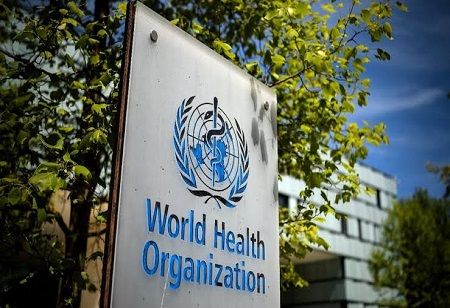
WHO’s new agenda puts traditional medicine to the evidence test with a focused 10-year research plan.
The organization identifies stroke, cancer, mental health, and other high-burden conditions as priority targets for traditional, complementary, and integrative medicine studies from 2025 to 2034.
The agenda aims to generate stronger evidence on effectiveness, safety, regulation, and health system integration so countries can make informed decisions.
It highlights a clear mismatch between global disease burden and current research funding. India supports the effort through the Ministry of Ayush and hosted the Second WHO Global Summit on Traditional Medicine in New Delhi in December 2025.
This framework modernizes research priorities by aligning them with real health needs rather than tradition alone.
The 2025-2034 research agenda lists specific health areas that demand attention. WHO places these conditions at the center:
Prevention and health promotion, healthy ageing and healthy childhood also form part of the agenda. The report stresses a striking imbalance. Stroke ranks third globally among causes of mortality and disability, yet less than 1 percent of traditional, complementary and integrative medicine-funded grants address the condition.
Mental health ranks eighth among contributors to disability-adjusted life years, but the review finds very few or no grants focused specifically on mental health conditions. Musculoskeletal conditions cause substantial global disability yet remain under-researched relative to their burden.
Cancer appears among the priorities because of rising global incidence. WHO calls for research into integrative oncology and palliative care. For metabolic and endocrine disorders, the organization identifies the need for stronger evidence, including longer-term studies on type 2 diabetes and metabolic syndrome.
The agenda calls for studies on herb-drug interactions, monitoring and reporting of adverse events, regulatory and quality assurance systems, and the safe integration of traditional, complementary and integrative medicine into primary healthcare. These requirements shift the field toward systematic evaluation of risks and benefits.
The organization notes that traditional, complementary and integrative medicine reaches up to 80 percent of populations in some settings. At the same time, less than 1 percent of global health research funding supports research in the field. The agenda therefore seeks to close this funding gap by directing attention toward conditions that impose the heaviest burden.
Also Read: Why India's Pharma Manufacturing Boom Needs More Women in Core Plant Operations
India maintains a direct connection to the work. The WHO report acknowledges financial support from the Ministry of Ayush for the agenda’s development and publication. Indian health ministry representatives also participated in the Second WHO Global Summit on Traditional Medicine held in New Delhi in December 2025.
The document functions as a research-prioritization framework. It does not serve as a clinical guideline or a recommendation to use any particular traditional medicine. Instead, it equips countries with clearer evidence so they can decide the appropriate place of these approaches within their healthcare systems.
By matching research priorities to disease burden, demanding safety data and emphasizing health-system integration, WHO advances a more rigorous standard for traditional medicine. The 10-year agenda sets the conditions under which traditional practices must now demonstrate their value through systematic evidence.
.jpg)