India Pharma Outlook Team | Tuesday, 15 September 2026
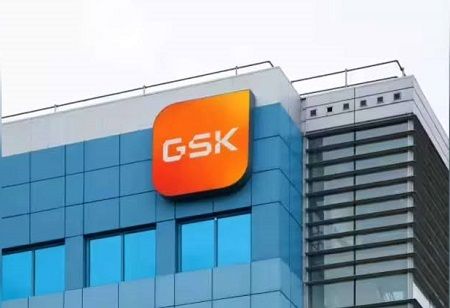
GSK’s oncology buying spree continues with the new USD 750 million blood cancer bet. The London-listed company has struck a deal worth up to USD 750 million to acquire a trispecific T cell-engager from China-based Chimagen Biosciences.
The move strengthens GSK’s push into multiple myeloma and adds another high-potential asset to its growing cancer portfolio.
New CEO Luke Miels has made clear that expanding the oncology franchise ranks as a top priority ahead of patent losses on key HIV medicines.
This latest agreement keeps that momentum alive and positions GSK for deeper competition in the blood cancer space.
GSK has agreed to buy a potential best-in-class trispecific T cell-engager from Chimagen Biosciences. The deal gives GSK full global rights to the program. Chimagen will receive an upfront payment plus development and commercial milestone payments, taking the total potential value to USD 750 million. GSK plans to develop and commercialize the drug for multiple myeloma, a form of blood cancer. Phase 1 trials are expected to begin in 2027.
A trispecific T cell-engager is an engineered protein that brings T cells and tumor cells together while also blocking immune checkpoints. This design aims to boost cancer-killing power while reducing unwanted side effects.
Key points about the asset:
GSK notes that T cell-engagers have already shown transformational efficacy in multiple myeloma, yet many current options carry difficult side-effect profiles. The Chimagen candidate seeks to solve that problem.
Also Read: How Regulatory Readiness Can Shape Pharma's Global Growth
The agreement forms part of a wider oncology expansion. Earlier this year, GSK completed its biggest acquisition in more than a decade when it bought lung cancer specialist Nuvalent for USD 10.6 billion.
In 2024, the company also licensed another experimental drug from Chimagen in a deal worth up to USD 850 million. In October 2025, the U.S. FDA approved GSK’s blood cancer medicine Blenrep in a combination regimen, allowing the drug to return to the market nearly three years after its withdrawal.
Hesham Abdullah, GSK’s global head of Oncology research and development, said the new deal secures a promising T cell-engager and advances the company’s leadership goals in blood cancer. He added that the asset complements GSK’s existing multiple myeloma portfolio and offers a potential new option for patients who need different treatment approaches.
The U.S. T cell-engager market for multiple myeloma is expected to exceed USD 10 billion, giving the program clear commercial potential. GSK’s latest USD 750 million blood cancer bet therefore continues a clear pattern: the company is buying targeted innovation to build a stronger, more competitive oncology franchise for the years ahead.