India Pharma Outlook Team | Thursday, 29 October 2026
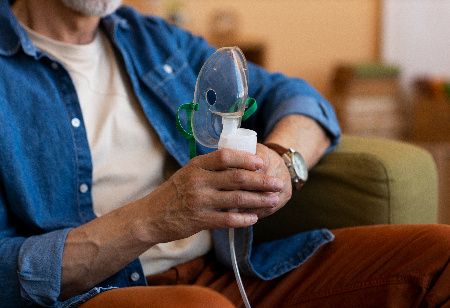
Home oxygen therapy is in focus after Philips launched its Oxygenate 5 stationary oxygen concentrator in India on October 29.
The device is targeted towards people who require long-term supplemental oxygen at home.
The device provides continuous oxygen flow from 0.5 to 5 litres per minute and includes nine levels of filtration and user-replaceable air filters.
The launch comes as respiratory care increasingly extends beyond hospitals, raising questions about affordability, equipment upkeep and patient support.
For India, the broader issue is whether patients with chronic lung conditions can access prescribed oxygen reliably, including outside urban centers.
Philips Oxygenate 5 enters a healthcare service segment where patients requiring prolonged oxygen support may need to manage treatment at home.
Stationary oxygen concentrators extract and concentrate oxygen from ambient air, providing a continuous supply without requiring frequent cylinder refills.
A 2022 study published in Lung India assessed adherence to long-term oxygen therapy among patients in India who received oxygen concentrators. Among 97 patients included in the analysis, adherence was 45.36 percent.
Home respiratory care must also account for caregivers who may need guidance on operating equipment, maintaining filters and responding to power interruptions.
Also Read: Building Scalable MedTech Ecosystem for India's Healthcare Future
The affordability of home oxygen therapy extends beyond the initial price of an oxygen concentrator. Patients and families may also need to account for electricity consumption, servicing, replacement components and access to technical support throughout treatment.
For patients requiring long-term oxygen therapy, access to servicing and replacement parts can be particularly important. Electricity interruptions can also disrupt treatment, making reliable power and appropriate contingency arrangements relevant considerations for home-based care.
The wider question of long-term oxygen therapy access in India therefore involves more than the availability of new medical devices.
COPD treatment in India presents a significant public-health challenge. A systematic review and meta-analysis published in 2026 estimated the pooled prevalence of chronic obstructive pulmonary disease among Indian adults at 13 percent.
Long-term oxygen therapy can be an important part of care for selected patients with COPD who have severe chronic hypoxaemia. It is not routinely required by every patient with the disease, and eligibility should be established through appropriate clinical assessment.
For patients who qualify, home oxygen therapy may help deliver prescribed supplemental oxygen outside hospital settings. Nevertheless, treatment requires individualized prescriptions, appropriate monitoring and continued medical supervision.
Philips’ Oxygenate 5 launch brings renewed attention to the role of medical devices in home respiratory care for chronic lung disease.
The larger healthcare challenge is ensuring that patients who need long-term oxygen support can obtain suitable equipment, understand its use and maintain access to treatment over time.