India Pharma Outlook Team | Monday, 28 September 2026
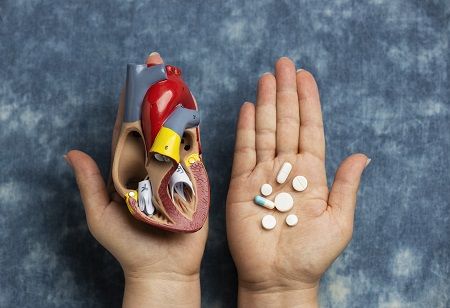
Sun Pharma Lerodalcibep deal with LIB Therapeutics gives the Indian drug maker exclusive rights to manufacture and commercialize the once-monthly PCSK9 inhibitor in markets outside the US and China.
The agreement comes after lerodalcibep received European approval on September 21, 2026, under the brand name Lyrokaul.
The licensed PCSK9 market outside the US and China is valued at USD 3.7 billion and has been growing at 38 percent CAGR, according to IQVIA data cited by Sun Pharma.
While the immediate story is about market access, the deal also points to a broader shift in Sun Pharma’s innovative medicines strategy and the growing importance of treatment convenience in cardiovascular care.
The licensing agreement gives Sun Pharma exclusive rights to manufacture, commercialize and license lerodalcibep across territories outside the US and China. LIB Therapeutics will receive upfront and milestone payments, along with royalties linked to net sales, although the specific financial terms remain confidential.
The market opportunity is significant. According to IQVIA data cited by Sun Pharma and LIB Therapeutics, the PCSK9 inhibitor market outside the US and China reached USD 3.7 billion during the 12 months following to June 2026, with Europe accounting for USD 2.9 billion. The companies said the global PCSK9 market is approaching USD 7 billion in 2026.
For Sun Pharma, therefore, the transaction is not simply another licensing arrangement. It provides a platform for expanding its innovative medicines portfolio into cardiovascular treatment.
Also Read: Sterile Injectable CDMO in India: Manufacturing, Fill-Finish, Technology & Regulatory Guide 2026
Lerodalcibep is designed to reduce LDL-C by inhibiting PCSK9, a protein involved in the degradation of LDL receptors in the liver.
The European Medicines Agency describes the medicine as a 300 mg injectable treatment for adults with hypercholesterolemia and mixed dyslipidemia whose cholesterol remains above target despite treatment, or who cannot tolerate statins.
Its dosing profile is particularly relevant to Sun Pharma’s positioning. Lerodalcibep enters a landscape with established options. PCSK9 monoclonal antibodies, such as evolocumab and alirocumab, are typically injected every two to four weeks and are usually refrigerated. Lerodalcibep is administered once a month, while the product approved in Europe also has six-month ambient-temperature storage capability.
Sun Pharma has highlighted the combination of monthly dosing, LDL-C reduction and storage convenience as potential advantages for treatment practicality.
This gives the company an opportunity to build beyond conventional generic medicines and participate in a specialized cardiovascular segment with higher barriers to entry.
PCSK9 therapies have become an important option for patients who do not achieve recommended LDL-C levels with statins or who cannot tolerate them. The FDA-approved US version of lerodalcibep, Lerochol, is also administered once monthly and is indicated for lowering LDL-C in adults with hypercholesterolemia.
The competitive landscape includes different approaches to PCSK9 inhibition, making dosing frequency, administration and treatment convenience relevant commercial considerations.
Sun Pharma’s opportunity will therefore depend not only on gaining regulatory approvals across licensed markets but also on establishing lerodalcibep within existing cholesterol-treatment pathways.
The larger opportunity may lie in translating clinical efficacy into more practical long-term treatment. Sun Pharma has said it will pursue regulatory approvals in licensed territories where lerodalcibep is not yet approved.
That creates a second phase of the deal: building access beyond the markets where the medicine already has approval.
Monthly administration and ambient storage could simplify some logistical aspects of lipid management, but affordability, reimbursement, physician adoption and availability will still determine how broadly the treatment reaches patients.
For Sun Pharma, the deal consequently combines a USD 3.7 billion PCSK9 market opportunity with a broader expansion of its innovative cardiovascular portfolio, making market development and patient access as important as the licensing itself.
.jpg)